Before You Start, Do You Need a Building Permit for a Roof?
November 3, 2026
Blog
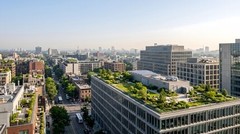
Green roofs have moved from a niche architectural trend to a practical option for property owners who want to cut energy costs, manage stormwater, and extend the life of their roofing systems. But one of the most common questions our team hears, as experienced commercial roofing contractors in the Wausau area, is whether you can install a green roof on an existing building rather than starting from scratch with new construction. The short answer is yes, in many cases you can, but the real answer depends on a handful of important factors that need to be evaluated before any plants ever touch the roof.
Adding a green roof on an existing building is a rewarding project when it is done right. It can transform an underused rooftop into a living, functional space while reducing the heat load on the structure below. The key is understanding what your building can support and what preparation is required so the finished system performs for decades rather than causing headaches.
A green roof, sometimes called a living roof, is a roofing system that supports vegetation growing in a layered assembly on top of a waterproof membrane. These systems are generally divided into two categories. Extensive green roofs are lightweight, with shallow growing media and hardy, low-maintenance plants like sedums and mosses. Intensive green roofs are heavier and more like rooftop gardens, capable of supporting shrubs, walkways, and even small trees, but they demand far more structural support and ongoing care.
For most property owners considering a green roof on an existing building, an extensive system is the more realistic starting point. It adds considerably less weight, requires minimal irrigation once established, and still delivers the insulation and stormwater benefits that make these roofs so appealing. Knowing which type fits your goals helps shape every decision that follows.
The single most important factor in retrofitting a green roof is load capacity. A saturated green roof assembly adds significant weight to a building, and that weight has to be carried by the existing roof deck, joists, beams, and foundation. An extensive system might add somewhere in the range of fifteen to thirty pounds per square foot when fully soaked, while intensive systems can add far more. If your building was not designed with that extra load in mind, you cannot simply add a green roof without professional evaluation.
This is why a structural assessment is non-negotiable. A qualified structural engineer, working alongside your roofing contractor, will determine whether the existing framing can bear the added load or whether reinforcement is needed. Many older commercial buildings in Wausau and the surrounding areas were built with generous safety margins, which sometimes leaves room for a lightweight system. Others require upgrades before a green roof becomes feasible. Either way, skipping this step is never worth the risk.
Even if your structure can handle the weight, the current condition of your roof matters enormously. A green roof is only as reliable as the waterproofing layer beneath it, and once vegetation is installed, accessing that membrane for repairs becomes difficult and costly. That is why we always recommend evaluating the age and health of your existing roofing system before committing to a green roof on an existing building.
If your membrane is nearing the end of its service life, it almost always makes sense to address that first. In many situations, pairing a green roof project with a commercial roof replacement in Wausau is the smartest path, because you start the green roof over a fresh, fully warrantied waterproof layer. A thorough inspection will also reveal drainage issues, weak flashing, or ponding water that must be corrected ahead of time. Catching these problems early can save you from tearing out a living roof later just to fix something underneath it.
When the structure and existing roof are sound, the advantages of adding a green roof are substantial and long-lasting. Property owners pursue these systems for a combination of financial, environmental, and practical reasons.
These benefits compound over time. A green roof that protects the membrane from the harsh Wisconsin freeze-thaw cycle can meaningfully delay the need for major roof work, which is a real financial advantage for commercial property owners who want to maximize their investment.
Retrofitting a green roof is a layered process, and each component plays a role in keeping the building dry and the plants healthy. After the structural review and any necessary reinforcement, the work typically begins with ensuring the waterproof membrane is in excellent condition. On top of that, a root barrier prevents plant roots from penetrating the membrane. Next comes a drainage layer that channels excess water away, followed by a filter fabric, the growing media, and finally the vegetation itself.
Proper edge detailing, flashing, and drainage integration are where experience really matters. These transition points are the most common source of leaks on any roof, and a green assembly makes them harder to inspect afterward. Working with a contractor who understands both conventional roofing and living roof systems ensures every detail is handled correctly the first time.
A green roof is not a plant-it-and-forget-it system, though extensive roofs come close. In the first year or two, the vegetation needs time to establish, which may involve occasional watering and weeding. Once mature, maintenance usually settles into seasonal checkups to clear drains, inspect the perimeter, and confirm the plants remain healthy. Keeping up with these visits protects your investment and catches small issues before they grow.
It is also wise to maintain a relationship with a roofing professional who can respond quickly if something goes wrong. Should a leak ever develop, prompt commercial roof repair in Wausau from a contractor familiar with green roof assemblies will make the difference between a minor fix and a major disruption. Regular inspections remain one of the best ways to keep any roof performing, green or otherwise.
So, can you add a green roof on an existing building? In most cases, absolutely, provided the structure can carry the load and the waterproofing beneath is sound. The process requires careful planning, a solid structural evaluation, and attention to the existing roof's condition, but the payoff in energy savings, stormwater control, and roof longevity is well worth the effort for many commercial properties in Wausau and nearby communities.
If you are weighing whether a green roof makes sense for your building, the smartest first step is a professional assessment of your current roof and structure. Our team is happy to walk you through your options and give you an honest evaluation. Reach out through our contact page to start the conversation and find out what your rooftop is truly capable of.
November 3, 2026
October 23, 2026
October 22, 2026
October 15, 2026