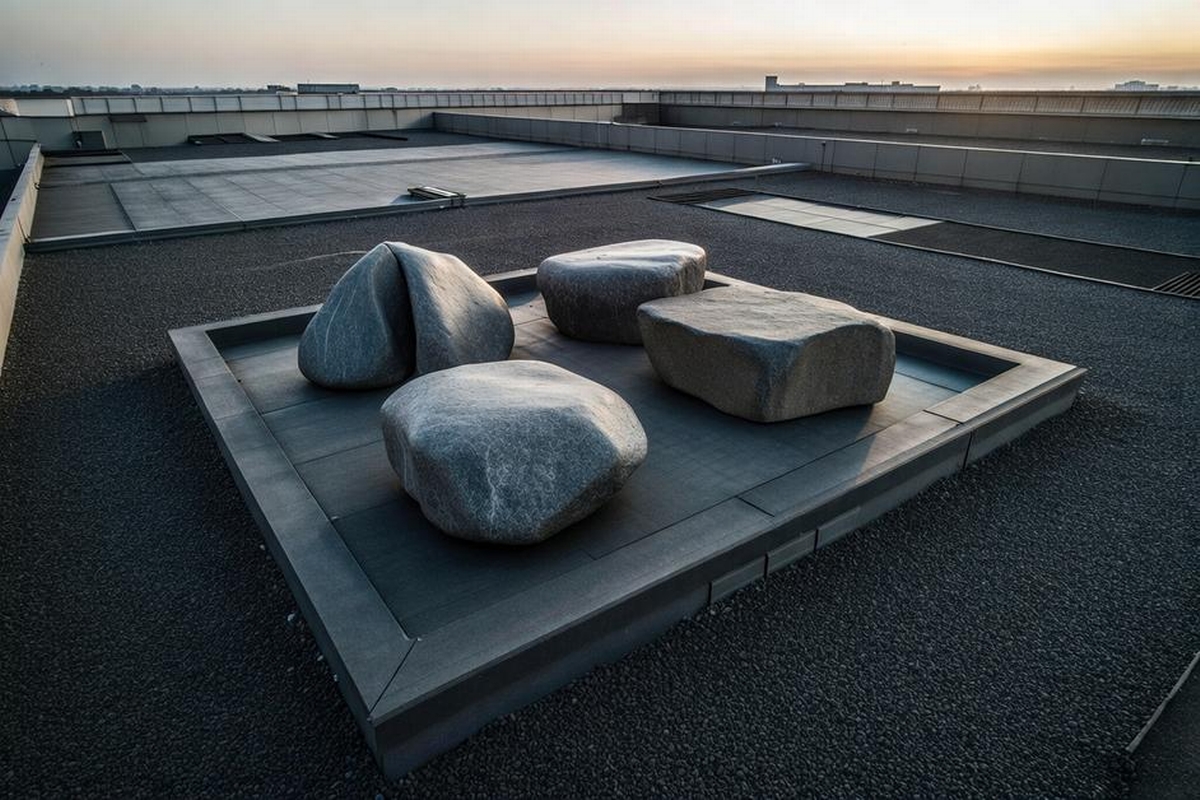
Why Do Buildings Have Rocks on the Roof? Purpose and Benefits Explained
Have you ever walked past a commercial building and noticed that the roof is covered with rocks? It's a seemingly simple feature that prompts the question, "Why do buildings have rocks on the roof?" This isn't just an arbitrary design choice or an outdated method of construction. The use of rocks on building roofs serves multiple practical purposes, providing benefits that are especially relevant for businesses and roofing contractors in the Wausau area. Let's explore this intriguing architectural element and uncover the reasons behind its widespread use.
The Protective Layer: Understanding the Purpose
Rocks on roofs, often referred to as ballast, offer significant protection. They are primarily used on flat or low-sloped rooftops, which are common in commercial structures. The rocks perform the following essential functions:
- Wind Resistance: One of the main benefits of adding rocks to a roof is to hold down roofing materials. This is crucial in Wausau, WI, where winds can be quite strong. The evenly distributed weight of the rocks helps prevent roofing membranes from blowing away during high winds.
- UV Radiation Protection: Exposure to ultraviolet (UV) rays can significantly deteriorate roofing materials over time. Rocks on the roof act as a protective shield, absorbing and reflecting sunlight, extending the life of the roofing materials beneath.
- Thermal Regulation: Rocks serve as a thermal barrier. During hot weather, they help keep buildings cooler by preventing heat from penetrating through the roof. Similarly, during colder months, they act as an insulating layer, reducing heat loss.
- Drainage Assistance: The strategic placement of rocks helps with rainwater drainage during storms, preventing water pooling and subsequent roof damage.
The Installation Process: How It's Done
The process of placing rocks on a roof might seem straightforward, but it involves careful planning and execution. Before rocks are added, a robust roofing membrane is first installed to act as the primary waterproof barrier. To ensure that the roof can handle the additional weight:
- Assessment of Structural Capacity: An engineer assesses the building to ensure the structural integrity can support the weight of the rocks without compromising safety or function.
- Selection of Materials: Roofing contractors select durable materials like river rocks or gravel, known for their smooth surfaces and endurance.
- Uniform Distribution: The rocks are evenly distributed across the roof’s surface to ensure consistent weight dispersal.
- Regular Maintenance: Over time, rocks can shift or become displaced. Regular inspections are vital to maintaining an effective protective layer. For businesses considering metal retrofit roofing in Wausau, WI, understanding its compatibility with existing ballast systems is crucial.
The Economic and Environmental Benefits
Utilizing rocks on roofs is not just a testament to practical engineering but also an economically savvy choice. Here's why:
- Cost-Efficiency: While initial installation might be substantial, the long-term cost savings outweigh initial expenditures. Maintenance tends to be less frequent, and roof life extension implies fewer replacements.
- Energy Savings: The thermal buffering properties contribute to lowering energy costs associated with heating and cooling.
- Eco-friendly Options: Choosing rocks as ballast impacts the environment less than synthetic materials, adding to the sustainability of the building.
Challenges and Considerations
Despite their benefits, rocky rooftops come with some considerations:
- Weight Concerns: Not all buildings can bear the additional weight of rocks. An initial structural assessment is imperative.
- Potential for Vegetation Growth: In some climates, dirt trapped between rocks can become a breeding ground for vegetation, requiring periodic removal.
- Initial Costs and Labor: The upfront costs for engineering assessments and material acquisition can be higher compared to traditional asphalt roofing.
The Advantages Over Traditional Roofing Options
Buildings faced with the decision of whether to go with a rocky rooftop or a more conventional setup should weigh these benefits carefully:
- Durability: In regions like Wausau, where variable weather conditions prevail, the robust nature of rock protection cannot be overstated.
- Long-Term Investment: With proper maintenance, the lifespan of a roof with rock ballast can exceed traditional options considerably.
- Improved Resilience: Rock ballasting provides an extra layer of security against environmental factors, a significant benefit for businesses keen on minimizing the risk of structural damage.
When to Consider Alternatives
While rocks on rooftops provide a plethora of benefits, certain situations might warrant the exploration of alternatives:
- Structural Limitations: If a building's structure cannot support rocky ballast, alternative flat roofing solutions, such as single-ply membrane systems, might be more appropriate.
- Climate Considerations: In extremely dry climates, the benefits of using rocks for thermal regulation are less pronounced, making other materials potentially more efficient.
- Aesthetic Preferences: Some commercial clients might prefer a cleaner aesthetic than what rocks provide, leading them to explore other flat roofing options without compromising the advantages.
Partnering with NRG Commercial Roofing
NRG Commercial Roofing stands ready to help business owners and property managers navigate these decisions. Whether considering a new roof installation or contemplating an upgrade to their current roofing system, NRG’s expertise in roof repair in Wausau and its surrounding areas ensures clients receive the best advice and service.
We are committed to addressing clients' unique needs, ensuring every project aligns with both practical necessities and aesthetic preferences.
Ultimately, the choice to use rocks on roofs is both an art and a science, intricately balancing the functionalities of protection, cost-efficiency, and aesthetics. By understanding why buildings have rocks on the roof, businesses and property managers can make informed decisions tailored to their specific needs. For any roofing inquiries or projects, contact NRG Commercial Roofing to ensure your next roofing project meets the highest standards of quality and excellence.