Warehouse Roof Types: What Is Usually Used and Why?
October 15, 2026
Blog

When it comes to selecting the right roofing for a commercial building, one can't afford to skimp on quality or durability. Roofing constitutes a significant investment that not only protects the infrastructure but also contributes to the building's energy efficiency, safety, and aesthetic appeal. But what are the best types of roofing for commercial buildings? If you’re seeking expert advice from a roofing company in Wausau and its nearby areas, NRG Commercial Roofing is well-equipped to guide you through your options. Understanding the fundamental types of roofing systems will pave the way for making informed decisions, ensuring your commercial property is both functional and visually appealing.
This guide will delve into various commercial roofing types—such as TPO, EPDM, and metal roofing—and discuss their pros, cons, and suitable applications. It will highlight the significance of choosing the right roofing material tailored to your specific environmental conditions and architectural needs. By understanding these critical elements, you’ll be better prepared to protect your investment while optimizing performance and sustainability.
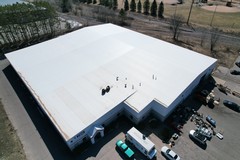
TPO (Thermoplastic Olefin) roofing is a popular choice for commercial buildings due to its energy efficiency and cost-effectiveness. TPO roofs are known for their reflective properties, which reduce heat absorption and, subsequently, energy costs related to cooling. For businesses looking to improve their environmental impact, TPO roofs offer an attractive, eco-friendly option.
EPDM (Ethylene Propylene Diene Monomer) roofing is renowned for its durability and is a long-standing favorite among commercial building owners. Known for its superior performance and cost-effectiveness, EPDM is particularly suitable for buildings where a strong, waterproof membrane is crucial.
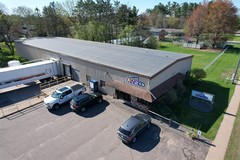
Metal roofing is a standout choice when it comes to durability and longevity. Favored for its rugged durability and unique visual appeal, metal roofing can be tailored to suit any architectural design.
Built-up roofing (BUR) has been a staple in commercial roofing for its multilayered approach, offering robust protection against leaks and physical damage. It is best suited for flat or low-slope roofs common in many commercial structures.
The weather and environmental conditions in Wausau, WI, significantly influence roofing choices. The region's cold winters and warm summers can impact materials differently. For instance, metal retrofit roofing in Wausau and its neighboring areas can handle heavy snow loads and fluctuating temperatures, making it an ideal choice for the region. However, consulting with experts from a reputable roofing company can ensure that you select materials that offer optimal performance under local conditions.
Regardless of the roofing type you choose, regular maintenance is key to extending the life of your roof. Scheduled roof inspections can help identify potential problems early, like detecting leaks, damaged flashings, or roof punctures, thus preventing costly repairs down the line. Whether it's a minor roof repair or a full-scale roof replacement, proactive management can secure the integrity of your building's roof.
As you contemplate what are the best types of roofing for commercial buildings, consider the specific needs of your establishment and the environmental factors at play. Working with experts can assist in weighing the benefits, costs, and aesthetic preferences of different roofing systems. For business owners in the Wausau region, metal roofing installation offers longevity and durability that can withstand environmental challenges while maintaining visual integrity.
If you’re ready to upgrade your commercial roofing or require professional advice on the best type of roof for your specific situation, NRG Commercial Roofing offers customized solutions to meet your needs. Reach out to consult with our experienced team and explore services, including roof installation. Let us help ensure your commercial property remains secure and efficient for years to come.
October 15, 2026
October 3, 2026
October 1, 2026
September 17, 2026