Warehouse Roof Types: What Is Usually Used and Why?
October 15, 2026
Blog
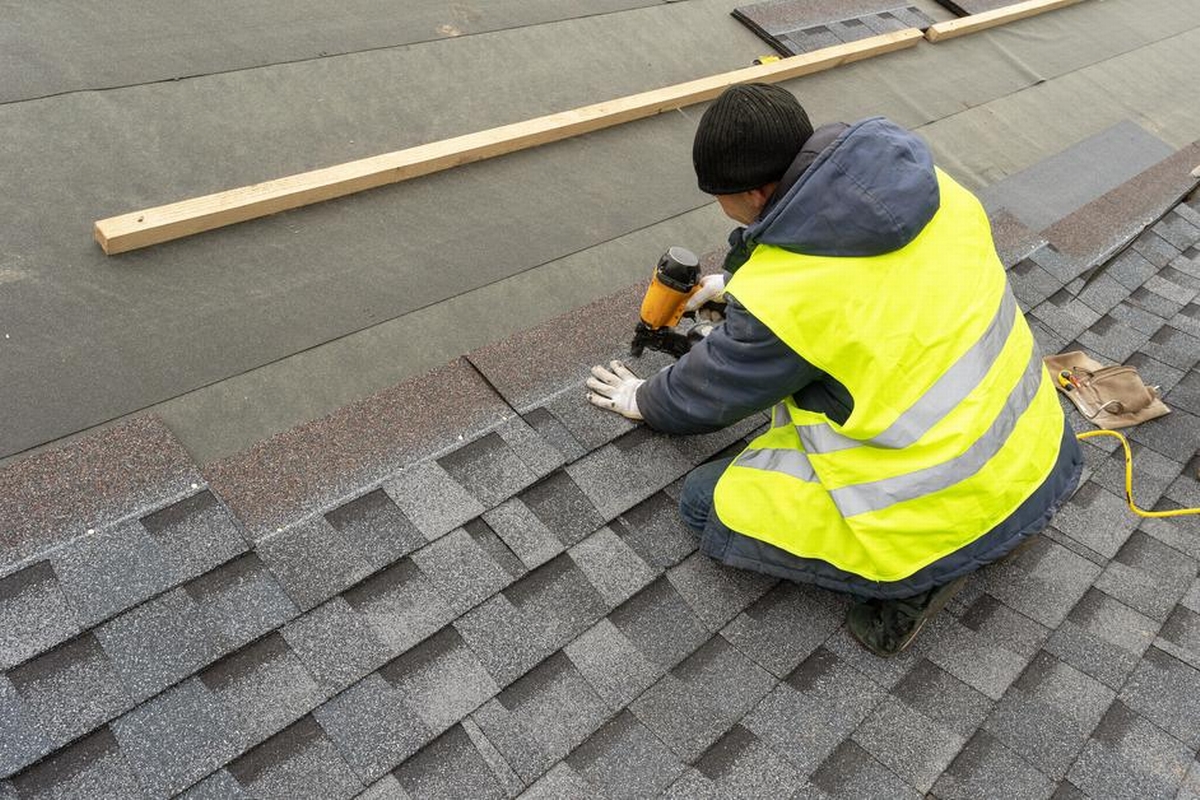
When it comes to business improvement, one of the most significant investments homeowners can make is installing a new roof. This decision is more than just practical; it impacts the home's value, energy efficiency, and aesthetic appeal. However, such a substantial financial undertaking naturally prompts the question: Are new roofs tax-deductible? Understanding the potential tax benefits is crucial for homeowners eager to make informed decisions about their investments. Whether you're consulting with a roofing company in Wausau or contemplating a DIY project, comprehending tax implications can be as crucial as choosing the right roofing material.
Tax deductions can make a notable difference in construction costs, reducing the economic burden on business owners. This blog post will explore whether new roofs qualify for tax deductions, the criteria involved, and the pivotal points business owners should note. We'll also touch on related home improvement projects that could tie into tax incentives, offering a comprehensive view of how these financial factors interact with your business improvement strategies.
Before diving into whether or not new roofs are tax-deductible, it's essential to grasp what tax deductions generally cover. In the realm of business ownership, not every upgrade qualifies for a deduction. Deductions typically apply to projects that add significant value to your home or enhance its usability. Unfortunately, a new roof, while vital, often falls into the realm of personal expenses rather than deductible improvements.
Improvements that increase energy efficiency, such as installing solar panels, often come with specific tax credits or deductions. Hence, when pondering whether new roofs are tax-deductible, contemplate if your roofing project could intersect with energy-efficient upgrades. It's also wise to review the IRS guidelines or consult a tax professional for clarity on your particular situation.
To determine if your new roof may qualify for a tax deduction, it's significant to understand IRS stipulations. Generally, the IRS allows deductions on your federal tax return for improvements that qualify as energy-efficient upgrades. For instance, installing a roof that includes energy-efficient materials might have different financial benefits than using standard materials.
If you're considering adding solar panels or improving insulation alongside your roofing project, you might tap into tax credits for sustainable upgrades. This dual approach not only enhances your home's energy efficiency but also makes financial sense. For instance, projects like installing spray foam insulation in Wausau can be paired with a new roof to maximize energy savings and potentially qualify for credits.
If you're financing your new roof through a commercial improvement loan, there might be additional financial implications to consider. The interest on loans used for substantial commercial space improvements can sometimes be deducted, provided you justify that the improvement significantly increases property value or efficiency. This aspect can indirectly help reduce the overarching cost of a new roof.
Simply put, while asking, are new roofs tax deductible, it's crucial to look beyond just the roofing materials. Evaluating your entire roofing improvement strategy and financing options could uncover hidden savings.
As noted before, energy efficiency is a crucial factor in determining tax deductions. Suppose your roofing project involves using materials that meet Energy Star requirements. In that case, you might qualify for various federal or state incentives, especially if you're incorporating sustainable features like solar panels or enhanced insulation methods.
To maximize such opportunities, coordinating with experienced home insulation contractors in Wausau can provide guidance. Installing proper insulation can dramatically improve your energy efficiency, reducing both utility costs and qualifying you for potential tax credits linked to sustainable home improvements.
While new roofs are not strictly tax-deductible, incorporating energy-efficient materials and approaches can significantly affect your finances. Here are some steps to ensure you're making the most out of your investment:
Outside of energy efficiency incentives, there are a few scenarios where home improvements, including roofing, might offer tax benefits:
If a tax deduction isn't directly applicable to roofing, consider improvements that complement your roofing project. For instance, integrating spray foam insulation with roof replacement and installation in Wausau can enhance energy savings dramatically.
These projects can sometimes qualify for energy credits or other incentives, reducing the initial financial burden. Furthermore, improving your business’s efficiency contributes to long-term savings on energy costs, which, in turn, enhances your investment's overall value.
While the straightforward query of whether new roofs are tax-deductible might yield a simple "no" in most contexts, the full picture involves a spectrum of possibilities that can mitigate costs. Exploring energy-efficient alternatives or engaging in simultaneous home improvements.
Navigating these opportunities can be complex, but you don’t have to tackle them alone. At Home Insulation Company, we understand the intricacies of roofing and related home improvements, harmonizing functionality, efficiency, and aesthetic appeal. Contact us today to explore what your next roofing project could look like in Wausau, WI, and beyond. Whether it's a complete roofing overhaul or integrated energy-efficient upgrades, we have solutions tailored for every home.
October 15, 2026
October 3, 2026
October 1, 2026
September 17, 2026